Fracturing Spread
Pressure rating and connection type were the decisive selection factors.
Flow Control Product Case Studies - Delivery Scenarios & Field Lessons helps buyers compare high pressure flow control products options, technical resources and service coverage.
Pressure rating and connection type were the decisive selection factors.
Maintenance access and flow path layout drove the final design.
Sand exposure and inspection scope mattered most to the buyer.
Flow Control Product Case Studies - Delivery Scenarios & Field Lessons should help buyers separate model choice from family choice. The category hub is where the scope should be narrowed, the document expectations should be confirmed and the service model should become visible before the shortlist is made.
For product families, the hub is the right place to compare site constraints, delivery assumptions and acceptance steps so the RFQ does not stay too vague. It should also point the buyer toward the pages that actually carry technical detail.
A good hub page tells the buyer how to move from general research into a real commercial review. It should make the family structure obvious and keep the technical and procurement teams aligned on the same set of pages.
| Layer | What To Confirm |
|---|---|
| Family Level | Operating envelope and project fit. |
| Model Level | Capacity, interface and delivery assumptions. |
| Evidence Level | Testing, traceability and document pack. |
| Support Level | Commissioning, training, spares and after-sales response. |
Flow Control Product Case Studies - Delivery Scenarios & Field Lessons should help buyers separate model choice from family choice. The category hub is where the scope should be narrowed, the document expectations should be confirmed and the service model should become visible before the shortlist is made.
For product families, the hub is the right place to compare site constraints, delivery assumptions and acceptance steps so the RFQ does not stay too vague. It should also point the buyer toward the pages that actually carry technical detail.
A good hub page tells the buyer how to move from general research into a real commercial review. It should make the family structure obvious and keep the technical and procurement teams aligned on the same set of pages.

Confirm the category-level duty and the operating envelope before you compare individual models.
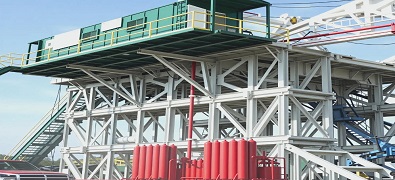
Check testing, traceability and document completeness so the shortlist stays on the same technical basis.

Commissioning, training, spares and after-sales response should be visible before award.
| Layer | What To Confirm |
|---|---|
| Family Level | Operating envelope and project fit. |
| Model Level | Capacity, interface and delivery assumptions. |
| Evidence Level | Testing, traceability and document pack. |
| Support Level | Commissioning, training, spares and after-sales response. |
When the category hub is strong, the buyer can move into the detailed pages without losing the procurement context. That makes the page useful as a technical index, not just as a navigation list.
Flow Control Product Case Studies - Delivery Scenarios & Field Lessons is the family hub for buyers comparing high pressure flow control products against the real project duty, not just the model name.
The useful review is whether the family can cover pressure rating, flow path, connection type, service temperature and maintenance access. That is where scope, delivery risk and support assumptions should be made specific before the RFQ moves forward.
Start with the project duty and the environmental envelope so the search narrows to the right family before the buyer compares features.
Check testing, inspection and documentation support so the quote is backed by proof rather than only by a model name.
Make commissioning, training, spare parts and service response part of the commercial review before award.
These applications are the main buyer signals for high pressure flow control products. Use them to decide whether the family hub should route you to a more detailed technical page or to a product model page with a tighter configuration fit.
Model choice should be driven by the operating envelope, site logistics and the quality of the evidence pack. The hub page works best when it points the buyer to the exact subpages that answer the technical and commercial questions next.
A serious comparison should still cover transport limits, installation time, maintenance access, crew training and future change-order risk. Those are the factors that turn a family hub into a real decision tool instead of a generic category label.
| Decision Layer | What To Check |
|---|---|
| Family Overview | What the category covers and which project envelopes it fits. |
| Technical Page | Capacity, pressure, mobility, interface and document requirements. |
| Case / FAQ Page | What risk questions appeared in real projects and how they were handled. |
| Contact Path | Who owns the RFQ response, commissioning scope and after-sales support. |
Flow Control Product Case Studies - Delivery Scenarios & Field Lessons should be checked against API and ISO documentation, factory acceptance evidence, inspection records and certification files before the buyer accepts the quote.
The same file set should also explain commissioning, training, spare parts, after-sales responsibility, reliability and compliance so support ownership is explicit after shipment.
API, ISO, factory acceptance and inspection records should sit in one review set.
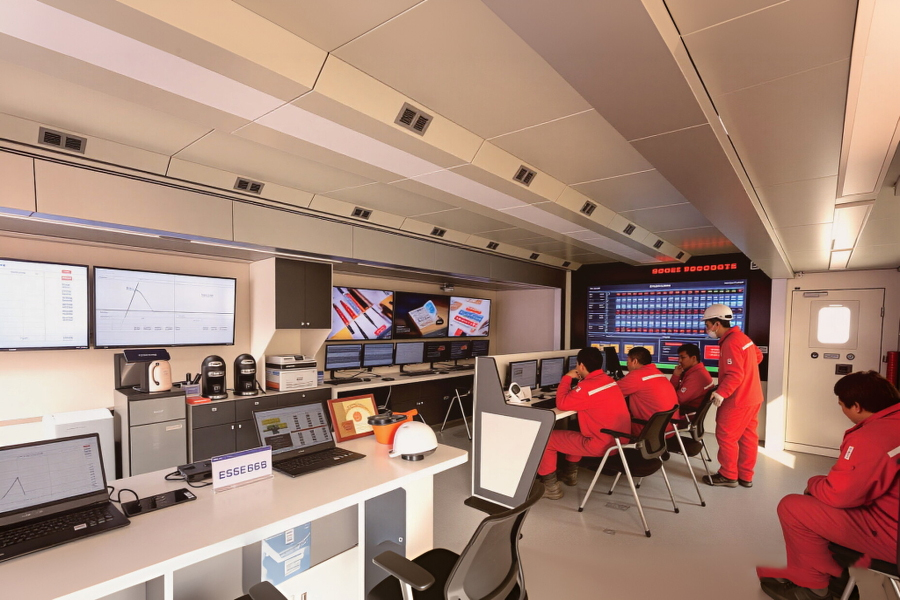
Certification files and technical dossiers should match the final quote scope.
Commissioning, training, spare parts and after-sales responsibility must stay visible after award.
| Review Layer | Buyer Check | Why It Matters |
|---|---|---|
| Operating Duty | pressure rating, flow path, connection type, service temperature and maintenance access | It fixes the working envelope before the quote is compared. |
| Evidence Pack | API, ISO, factory acceptance, inspection records, certification | It shows the offer can be audited and defended. |
| Service Coverage | inspection records, test certificates, spares planning and field support; commissioning, training, spare parts, after-sales | It keeps post-shipment responsibility clear. |
| Buyer Outcome | surface pressure control and manifold service; Pressure Control, Manifold Service, Surface Flow Handling, Field Maintenance | It ties the hub to real project use and long-tail search intent. |
Use it to narrow the family choice, confirm the configuration path and move to the right detailed subpage before the RFQ is issued.
Look for document scope, testing approach and support commitments so the shortlist is based on a credible technical basis.
Compare against the same duty basis, the same delivery assumptions and the same post-award service coverage so the review stays fair.