North America
Projects that require clear documentation, service readiness and disciplined handover.
SJ Global Cases - Regional Project References is a site portal that helps buyers compare options and move to the next decision step.
Projects that require clear documentation, service readiness and disciplined handover.

Hot-climate and high-duty applications where package cooling and uptime matter.

Cold-weather and remote-field projects that need resilient equipment planning.

Compact sites and mixed logistics where configuration flexibility is important.

Dust, heat and transport conditions that reward simple maintenance access and stable design.

Projects where interface control, document pack quality and delivery timing are critical.
Use the cases hub as a qualification aid, not as marketing filler. Buyers should compare operating conditions, technical scope and service support before asking for a quotation.
State where the project ran, what climate it faced and what operational problem had to be solved.
Show the package family, delivery method and support scope so buyers can judge fit quickly.
Use cases to prove documentation quality, delivery discipline and post-delivery service readiness.
SJ Global Cases - Regional Project References should move a buyer from broad interest to the next practical decision. The page works best when it shows where the family hub is, where the technical pages are and where the contact path starts.
A portal page on an industrial site is part of the buying workflow. It should help the reader understand the site structure quickly so the research trail stays intact and the user does not hit a dead end.
That also means the page should support trust: product, solution and case pages need to work together so the buyer can see evidence, fit and support continuity before making contact.
SJ Global Cases - Regional Project References should move a buyer from broad interest to the next practical decision. The page works best when it shows where the family hub is, where the technical pages are and where the contact path starts.
A portal page on an industrial site is part of the buying workflow. It should help the reader understand the site structure quickly so the research trail stays intact and the user does not hit a dead end.
That also means the page should support trust: product, solution and case pages need to work together so the buyer can see evidence, fit and support continuity before making contact.
The portal also needs to reinforce that the business is real and responsive. When a procurement lead sees a clear path through the site, the company feels easier to approach and easier to evaluate.
Show the family hub, the subpages and the contact route clearly.
Link to pages that contain technical depth, not just marketing text.
Keep the navigation consistent so the buyer sees a stable site structure.
SJ Global Cases - Regional Project References is written as a site portal for buyers who need to compare SJ Global Cases - Regional Project References against the actual operating duty, delivery window and service scope rather than a generic catalog label.
The useful question is whether the offer contains the configuration detail, document set and acceptance scope that procurement, engineering and operations teams will have to defend later.
For SJ Global Cases - Regional Project References, the comparison should cover operating duty, installation constraints, document set and service coverage so the quote stays aligned with the project condition and the field team does not inherit hidden assumptions.
A mature supplier response separates equipment definition, test evidence, interface responsibilities and lifecycle support. That structure makes the page useful to an industrial buyer instead of merely keyword dense.
This page also keeps the buying path practical: if the topic is a Oilfield Equipment, the reader should be able to see where the equipment fits, what proof is needed and how post-award support is handled.
Confirm the operating envelope for SJ Global Cases - Regional Project References, including load, pressure, mobility, interface and environmental constraints, so all bidders quote the same duty basis.
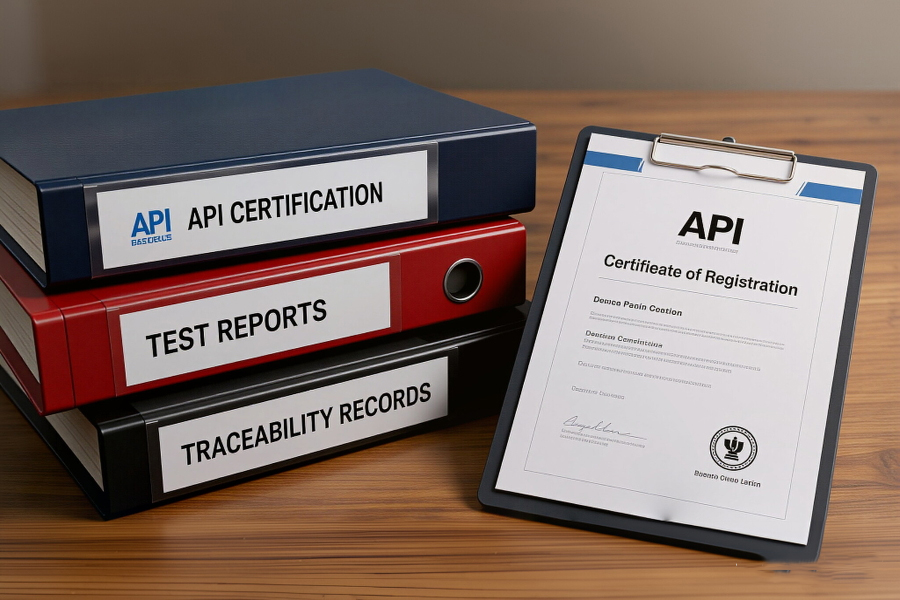
Request inspection records, test procedures, certificate files and traceability notes that prove the package is more than a brochure promise.
Lock the commissioning boundary, training plan, spares package and service response path before award so ownership after delivery stays predictable.

SJ Global Cases - Regional Project References should be reviewed against the real field duty, not against a generic family label that hides load, pressure or mobility constraints.
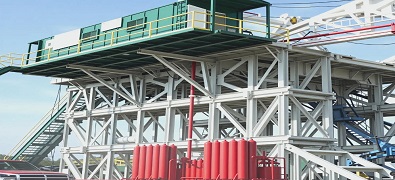
The commercial file should show testing, interface ownership, delivery assumptions and any third-party checks that affect schedule or acceptance.

Commissioning, training, spare parts and field support need to be part of the same scope as the equipment itself.
Good review practice is to compare SJ Global Cases - Regional Project References against the site condition, the project risk level and the operating window. That keeps the technical conversation tied to what the buyer will actually own after startup, and it reduces back-and-forth clarification once procurement is already late in the cycle.
For Oilfield Equipment, buyers should also check document quality, submittal completeness and the way the supplier explains inspection hold points, performance limits and maintenance access. These are the signals that tell a buyer whether the offer has engineering depth or only a marketing surface.
For SJ Global Cases - Regional Project References, the buyer should insist on the same document set from every supplier so price comparison does not disguise scope mismatch. When the RFQ is clear, the negotiation becomes shorter, the engineering review becomes cleaner and the project team can spot missing support assumptions before award.
These long-tail phrases reflect how industrial buyers search when they want equipment fit, documentation depth and service scope rather than generic brand language. They also help the page cover the operational questions that tend to appear in tender evaluation and supplier comparison.
SJ Global Cases - Regional Project References should be checked against API and ISO documentation, factory acceptance evidence, inspection records and certification files before the buyer accepts the quote.
The same file set should also explain commissioning, training, spare parts, after-sales responsibility, reliability and compliance so support ownership is explicit after shipment.
API, ISO, factory acceptance and inspection records should sit in one review set.

Certification files and technical dossiers should match the final quote scope.
Commissioning, training, spare parts and after-sales responsibility must stay visible after award.
| Review Layer | Buyer Check | Why It Matters |
|---|---|---|
| Operating Duty | operating duty, installation constraints, document set and service coverage | It fixes the working envelope before the quote is compared. |
| Evidence Pack | API, ISO, factory acceptance, inspection records, certification | It shows the offer can be audited and defended. |
| Service Coverage | commissioning, training, spares planning and field support; commissioning, training, spare parts, after-sales | It keeps post-shipment responsibility clear. |
| Buyer Outcome | international project delivery; Project Delivery, Field Deployment, Technical Review, Service Support | It ties the hub to real project use and long-tail search intent. |
Start with the duty basis, the installation constraints and the acceptance method. If those are unclear, the quote may look competitive while hiding the real engineering scope.
Ask for inspection records, test procedures, certificate files, traceability notes and commissioning assumptions so the review includes proof rather than only a headline price.
Confirm delivery terms, commissioning scope, training, spares and service response so ownership after handover is aligned with the buyer's operating model.
The portal page should help a buyer move from broad interest to a practical shortlist without losing the engineering thread. Each link should point the reader toward a family hub, a technical page or a contact path that answers the next question in the buying cycle.
For oilfield equipment, the buyer usually wants to know how the family pages are separated, which subpages carry configuration detail and where service commitments are documented. The portal should make that path visible at a glance.
This is also the right place to reinforce trust: product pages, solution pages and case pages should work together so the visitor can see field fit, evidence depth and support continuity in one navigation flow.