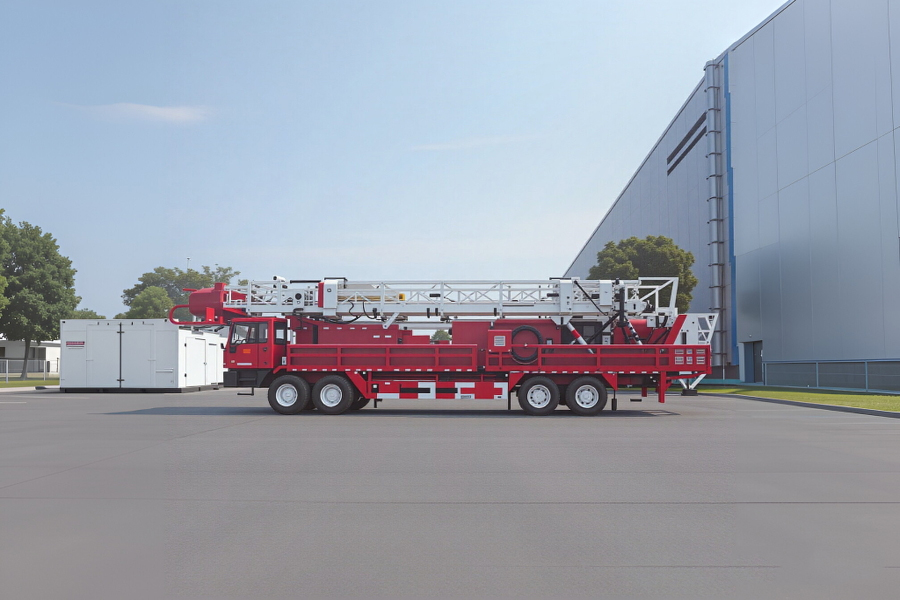
Configuration Fit
Selected around well service objective, rated load, working pressure, mounting style, power system, control system, safety package and field mobility requirement rather than a generic model label.
Well Service Unit - Two-Year Spares Strategy - Production Equipment is a buyer-focused reference for configuration review, procurement evidence and delivery planning.
Well Service Unit - Two-Year Spares Strategy is part of SJ Petroleum Machinery's Production Equipment portfolio for international oilfield buyers who need practical equipment selection, reliable documentation and lifecycle support.
SJ production equipment includes workover rigs, well service units, automated workover packages and pump packages for intervention, maintenance and production restoration.
This page focuses on a fast-mobilization package. The buying decision should consider transport planning, simplified interfaces and shorter site preparation time, together with operating environment, certification expectations and after-sales service access.
The model-specific scenario is two-year spares strategy. It is written for buyers who need to define consumables and critical parts before shipment, so the technical review should pay close attention to wear parts, recommended stock, reorder timing and warranty process.
A two-year spares strategy is most useful when tied to expected operating hours. Critical parts, wear parts, shelf-life items and reorder lead times should be separated in the proposal.
For model comparison, procurement teams should use this page to clarify scope boundaries, included auxiliary systems, acceptance documents and the support plan expected after commissioning.
Selected around well service objective, rated load, working pressure, mounting style, power system, control system, safety package and field mobility requirement rather than a generic model label.

Built for buyers who need to define consumables and critical parts before shipment, with special attention to wear parts, recommended stock, reorder timing and warranty process.
Supports technical review with documentation, inspection records, commissioning planning and spare-parts preparation for two-year spares strategy projects.
| Parameter | Value |
|---|---|
| Product Name | Well Service Unit - Two-Year Spares Strategy |
| Category | Production Equipment |
| Configuration Focus | Fast-mobilization package |
| Scenario Focus | two-year spares strategy |
| Buyer Objective | define consumables and critical parts before shipment |
| RFQ Parameters | well service objective, rated load, working pressure, mounting style, power system, control system, safety package and field mobility requirement |
| Certification Support | API Spec / ISO Certified documentation support |
| Lifecycle Service | Commissioning, training, spare parts and technical support |

Review Automated Workover Package - Third-Party Inspection for high-documentation tender package, with RFQ focus on third-party inspection and the need to allow independent review before dispatch.
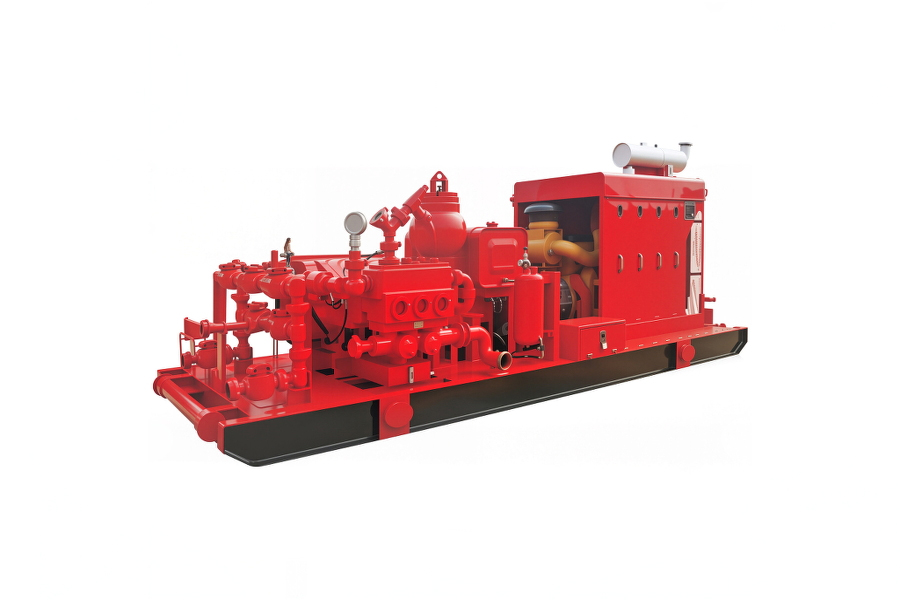
Review Skidded Pump Package - Integrated Package Delivery for remote-field service package, with RFQ focus on integrated package delivery and the need to combine main equipment with auxiliaries in one practical scope.
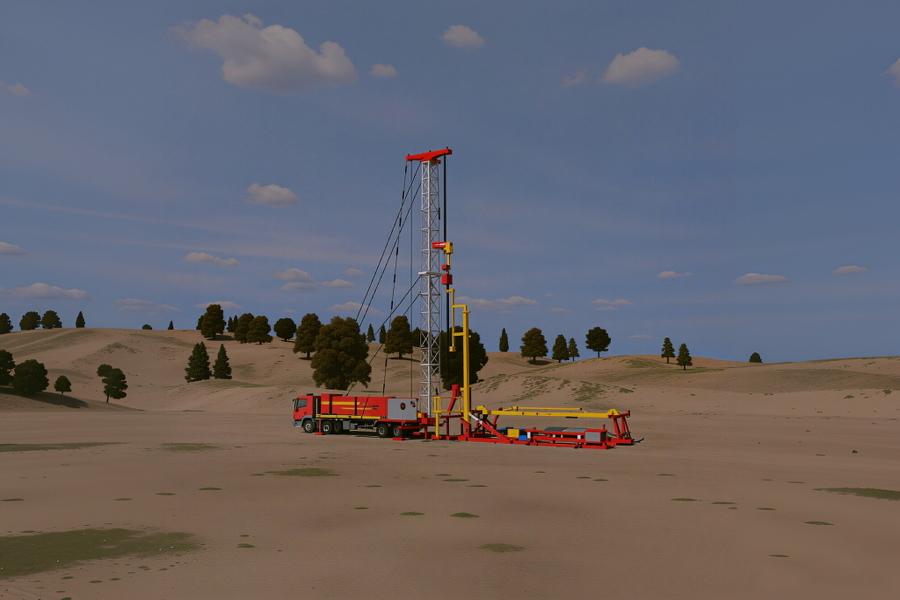
Review Production Support Package - Low-Emission Power Planning for integrated auxiliary package, with RFQ focus on low-emission power planning and the need to align equipment with power availability and fuel strategy.
Well Service Unit - Two-Year Spares Strategy - Production Equipment is part of the Production Equipment portfolio and should be evaluated against the real project duty, not just the model name. Buyers should compare well service load, mobility, lifting arrangement, hydraulics and maintenance access so the quoted package matches the field environment and the installation plan.
For Well Service Unit - Two-Year Spares Strategy - Production Equipment, the strongest offer is the one that explains the technical boundary clearly: what is included, what is optional, what is tested, and what must be confirmed during the final approval cycle. That makes procurement easier and lowers the risk of later scope arguments.
When the buyer is managing well intervention and production support, the practical value of Well Service Unit - Two-Year Spares Strategy - Production Equipment comes from its fit with site constraints, document quality and service continuity. The equipment must solve the field problem while staying supportable after handover.
A serious supplier response should also cover acceptance records, maintenance access, spare parts planning and the service escalation path. Those details often decide whether the package becomes a dependable field asset or a recurring support burden.

Well Service Unit - Two-Year Spares Strategy - Production Equipment should be selected around well service load, mobility, lifting arrangement, hydraulics and maintenance access instead of a generic brochure label.
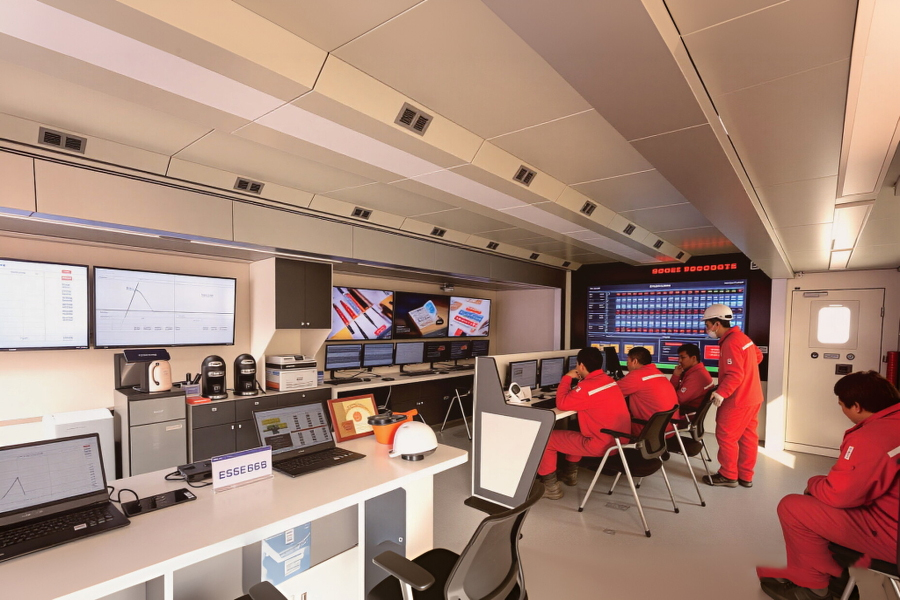
The buyer should request the same testing and certification pack that the final quote references so scope mismatch does not appear after contract award.
Commissioning, training, spare parts and field response must be fixed before award so the package remains supportable on site.
This page should help a buyer compare actual project fit, not just nominal capacity. For Well Service Unit - Two-Year Spares Strategy - Production Equipment, the commercial review should confirm the document set, the acceptance boundary and the service plan that will follow shipment.
| Parameter | Buyer Check |
|---|---|
| Product | Well Service Unit - Two-Year Spares Strategy - Production Equipment |
| Category | Production Equipment |
| Configuration Focus | well service load, mobility, lifting arrangement, hydraulics and maintenance access |
| Buyer Objective | well intervention and production support |
| Service Scope | commissioning, operator training, spares planning and field support |
| Applications | Well Intervention, Production Support, Field Service, Maintenance Work |
These applications show where the production equipment family is most useful. Buyers should compare the project duty, mobility requirement, environmental exposure and maintenance access before they select a configuration.
Confirm the actual load, pressure, mobility and environmental constraints that define the quoted configuration.
Request inspection records, test evidence, certification files and traceability notes that match the final scope.
Fix commissioning, training, spare parts and field support before award so ownership after handover remains predictable.
Verify the duty basis, installation constraints and acceptance method so the offer is compared on the same technical scope.
Ask for testing records, certificate files and document sets that prove the quoted package matches the project requirement.
Confirm commissioning, training, spares and after-sales support so the package is supportable once it reaches the field.