
Configuration Fit
Selected around deck footprint, lifting weight, corrosion protection, hazardous-area requirements, marine fastening, available utilities and offshore safety procedures rather than a generic model label.
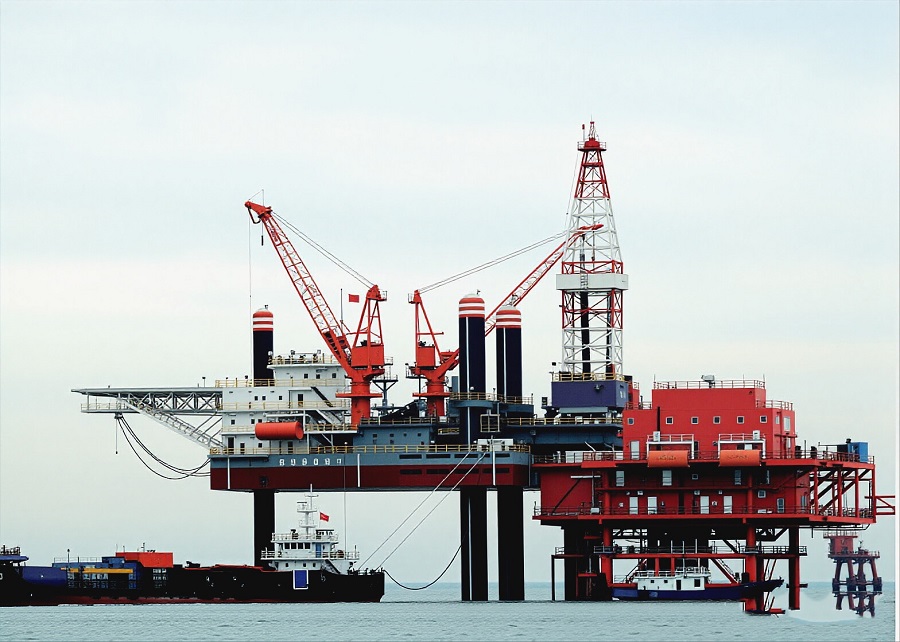
Offshore Workover Rig - Heavy Logistics Route - Offshore Equipment is a buyer-focused reference for configuration review, procurement evidence and delivery planning.
Offshore Workover Rig - Heavy Logistics Route is part of SJ Petroleum Machinery's Offshore Equipment portfolio for international oilfield buyers who need practical equipment selection, reliable documentation and lifecycle support.
SJ offshore equipment covers offshore drilling rigs, workover rigs, jack-up platform packages, offshore cementing and fracturing equipment and marine service systems.
This page focuses on a project-specific engineered package. The buying decision should consider interfaces, documentation and auxiliary systems aligned with tender requirements, together with operating environment, certification expectations and after-sales service access.
The model-specific scenario is heavy logistics route. It is written for buyers who need to move large or sensitive equipment through difficult transport routes, so the technical review should pay close attention to module weight, lifting plan, road limits and packaging.
Heavy logistics routes can change equipment design. Module weight, lifting method, road limits, preservation and packaging should be checked before finalizing the commercial offer.
For model comparison, procurement teams should use this page to clarify scope boundaries, included auxiliary systems, acceptance documents and the support plan expected after commissioning.
Selected around deck footprint, lifting weight, corrosion protection, hazardous-area requirements, marine fastening, available utilities and offshore safety procedures rather than a generic model label.

Built for buyers who need to move large or sensitive equipment through difficult transport routes, with special attention to module weight, lifting plan, road limits and packaging.

Supports technical review with documentation, inspection records, commissioning planning and spare-parts preparation for heavy logistics route projects.
| Parameter | Value |
|---|---|
| Product Name | Offshore Workover Rig - Heavy Logistics Route |
| Category | Offshore Equipment |
| Configuration Focus | Project-specific engineered package |
| Scenario Focus | heavy logistics route |
| Buyer Objective | move large or sensitive equipment through difficult transport routes |
| RFQ Parameters | deck footprint, lifting weight, corrosion protection, hazardous-area requirements, marine fastening, available utilities and offshore safety procedures |
| Certification Support | API Spec / ISO Certified documentation support |
| Lifecycle Service | Commissioning, training, spare parts and technical support |

Review Offshore Cementing Unit - Platform Safety Review for fast-mobilization package, with RFQ focus on platform safety review and the need to meet strict site safety and permit requirements.
Review Jack-up Platform Rig - Continuous-Duty Operation for high-documentation tender package, with RFQ focus on continuous-duty operation and the need to sustain long operating hours with predictable service intervals.

Review Marine Pump Package - Local Maintenance Transfer for remote-field service package, with RFQ focus on local maintenance transfer and the need to shift first-line maintenance to the buyer team.
Offshore Workover Rig - Heavy Logistics Route - Offshore Equipment is part of the Offshore Equipment portfolio and should be evaluated against the real project duty, not just the model name. Buyers should compare deck space, lifting limits, corrosion protection, interface standards and handover documents so the quoted package matches the field environment and the installation plan.
For Offshore Workover Rig - Heavy Logistics Route - Offshore Equipment, the strongest offer is the one that explains the technical boundary clearly: what is included, what is optional, what is tested, and what must be confirmed during the final approval cycle. That makes procurement easier and lowers the risk of later scope arguments.
When the buyer is managing platform and offshore deployment, the practical value of Offshore Workover Rig - Heavy Logistics Route - Offshore Equipment comes from its fit with site constraints, document quality and service continuity. The equipment must solve the field problem while staying supportable after handover.
A serious supplier response should also cover acceptance records, maintenance access, spare parts planning and the service escalation path. Those details often decide whether the package becomes a dependable field asset or a recurring support burden.
Offshore Workover Rig - Heavy Logistics Route - Offshore Equipment should be selected around deck space, lifting limits, corrosion protection, interface standards and handover documents instead of a generic brochure label.

The buyer should request the same testing and certification pack that the final quote references so scope mismatch does not appear after contract award.

Commissioning, training, spare parts and field response must be fixed before award so the package remains supportable on site.
This page should help a buyer compare actual project fit, not just nominal capacity. For Offshore Workover Rig - Heavy Logistics Route - Offshore Equipment, the commercial review should confirm the document set, the acceptance boundary and the service plan that will follow shipment.
| Parameter | Buyer Check |
|---|---|
| Product | Offshore Workover Rig - Heavy Logistics Route - Offshore Equipment |
| Category | Offshore Equipment |
| Configuration Focus | deck space, lifting limits, corrosion protection, interface standards and handover documents |
| Buyer Objective | platform and offshore deployment |
| Service Scope | commissioning, logistics, spares planning and offshore support |
| Applications | Offshore Deployment, Platform Service, Corrosion-Resistant Operations, Deck-Limited Installation |
These applications show where the offshore equipment family is most useful. Buyers should compare the project duty, mobility requirement, environmental exposure and maintenance access before they select a configuration.
Confirm the actual load, pressure, mobility and environmental constraints that define the quoted configuration.
Request inspection records, test evidence, certification files and traceability notes that match the final scope.
Fix commissioning, training, spare parts and field support before award so ownership after handover remains predictable.
Verify the duty basis, installation constraints and acceptance method so the offer is compared on the same technical scope.
Ask for testing records, certificate files and document sets that prove the quoted package matches the project requirement.
Confirm commissioning, training, spares and after-sales support so the package is supportable once it reaches the field.